The holiday period is equal parts sunshine and risk. Pools get busier, visitors increase, tempers (and alcohol) rise, and summer storms do their worst. Here’s a practical mini guide for trustees and managing agents to reduce headaches and harm over the festive season.
Please apply common sense and check local bylaws, rules, and your policy wording before acting on any of the items below, as not all of them apply to every scheme. Also, these should be seen as only a few tips. There are many more things to consider; this is is just a list of common areas of risk.
Here we go:
Best not to park your car insurance over the holidays
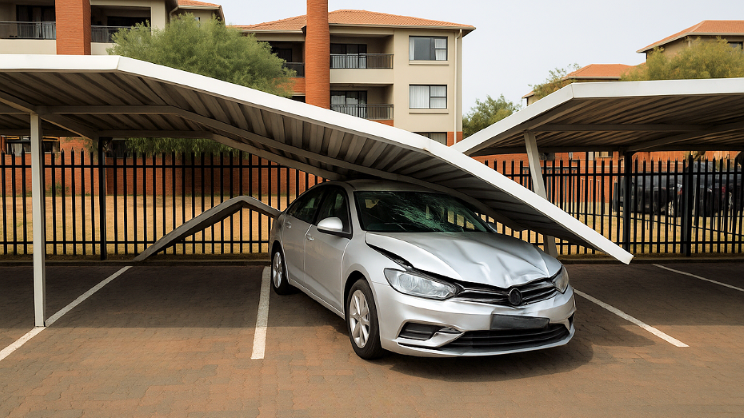
Storms and collapsing carports have reminded many owners the hard way. A vehicle can be damaged while standing still. Cancelling or pausing cover because a car “sits safely under the carport” is a risky assumption. Fire, wind, hail, and structural failures can still ruin an uninsured holiday.
Perhaps remind owners to suspend the vehicle cover when travelling. An idea is to communicate this in your pre-holiday notice. Remind owners that the safety of their vehicle remains their responsibility even if a storm causes the building to damage the vehicle. No, the body corporate is not responsible if storm damage to the building damages your car!
Swimming pools – the highest-risk in a common area
Pools are where most serious seasonal incidents occur, particularly at weekends and late afternoons, with toddlers at greatest risk.
Pool action list
- Communicate early. Send a short, plain-language “pool safety” note to residents before schools break up.
- Align rules and signage. Pool rules should mirror conduct rules and be clearly visible at the pool.
- Close and lock automatically. Fit a reliable self-closing, self-latching gate. Test it frequently.
- Enforce consistently. Security or caretakers should clear unsupervised children and lock the area when needed.
- Ban glass and alcohol at the pool. This is where many incidents start. Make it explicit on signage.
- Emergency info on site. Post a simple “in an emergency, call…” sign with clear instructions and location details.
- Safety equipment. Keep a reaching pole/life ring handy, and check the condition routinely.
- Quick tip: during inspections, use the “toddler test” – could a small child open the gate or slip in under/through?
Play areas – fun with hidden hazards
- Inspect wooden structures. Shrinkage leaves sharp metal end caps exposed. Sand, cap, or replace.
- Avoid trampolines. They are statistically high-injury items in shared spaces.
- Surface maintenance. Keep fall zones soft and clear; remove splinters and protrusions promptly.
Guests, gates and parking: your risk corridor
- Visitor access and parking areas often see more accidents in holiday periods.
- Traffic calming and visibility. Refresh line markings and mirrors; check speed-control measures.
- Cameras and lighting. Ensure coverage where vehicles turn, queue, or cross pedestrian paths.
- Gate motors and keys. Balance security with safety. Ensure clear emergency access procedures and make sure first responders can get in quickly.
Festive décor and electrical safety
- Set a decoration standard; for example, only SABS-approved lights, safe cable routing, and no wrapping on dry timber or near shrubs.
- Indoor trees. Keep away from heat sources and avoid overloaded multi-plugs.
- After-hours checks. Arrange a quick nightly walk-through during peak weeks.
Utilities and weather prep
- Summer storms don’t wait for owners to return.
- Gutters and downpipes. Clear ahead of storm season; document the work.
- Sumps and drains. Test pumps where applicable.
Owner tips
Encourage residents to close taps firmly, remove basin/bath plugs, and consider turning off the water supply and geysers before travelling. Top up prepaid electricity sufficiently to avoid outages that affect fridges, access control and alarms.
Pets, noise and neighbourliness
- Pet disputes spike when people travel.
- Re-issue pet rules. Remind residents about supervision, noise, and caretaker access for welfare checks if owners are away.
Comms rooms and shared tech
- Protect the hub. Keep server/UPS rooms cool, clean, and equipped with the correct fire extinguishers.
- Access planning. Nominate responsible persons with keys/codes so outages can be fixed while people are away.
Security, lighting and load-shedding
Keep it lit. Where feasible, provide backup lighting on key paths, entrances and basements.
Replace dead lamps. Poor lighting worsens slips, trips and collisions and complicates liability.
Emergency readiness and firefighting equipment
- Service extinguishers and hoses. Verify that servicing is current and that equipment is accessible and visible.
- Flammables reminder. Re-circulate the conduct rule prohibiting the storage of flammable materials in sections and on balconies.
- Local fire department engagement. Invite guidance on access routes and hydrants for your layout, where possible.
Maintenance and landscaping
- Fix now, not later. Uneven paving, loose bricks and lifted roots quickly become holiday-season injury claims.
- Document inspections. Short checklists with dates help show diligence if something goes wrong.
Estate manager’s pre-holiday checklist (copy/paste)
- Send resident notices: pool rules, pet reminders, travel tips (water/electricity/geyser).
- Inspect and test – pool gates, signage, lifesaving equipment, playgrounds, lighting, gutters, drains, sump pumps.
- Confirm – emergency numbers posted, security staffing plan, access for fire/ambulance, gate fail-safes.
- Verify – firefighting equipment serviced, tech rooms cooled, and fitted with appropriate extinguishers.
- Decide and communicate: decoration standards and installation routes.
- Walk your risk corridors: entrances, ramps, basements, visitor parking.
- Record actions and dates.
Closing thought
A few proactive checks now can prevent a season’s worth of claims, conflicts and heartache. Share the plan with residents, enforce fairly, and keep an eye on the high-risk areas, especially the pool and front gate area.
Author: Mike Addison
Addsure is a leading sectional title insurance broker. Get fit and proper advice from advisors who understand sectional title.