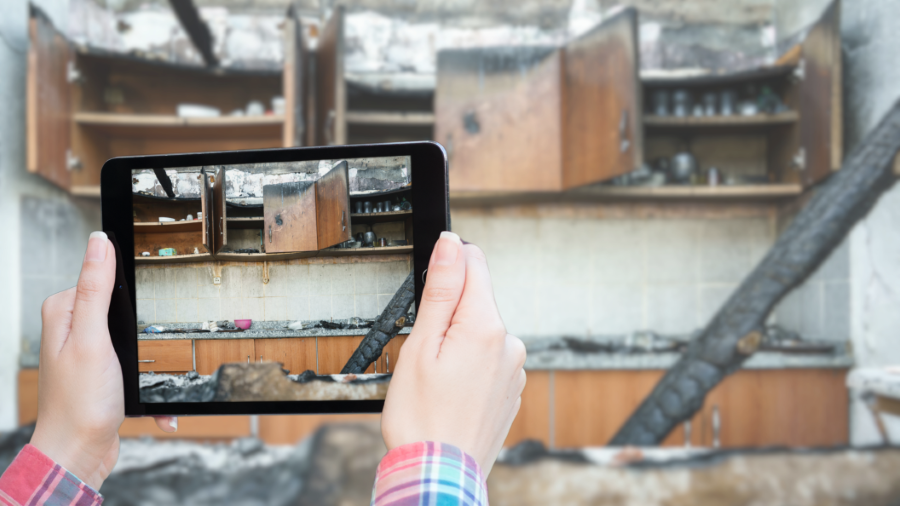
Insurers typically assess insurance claims for damage to buildings based on information provided in the claim form and other supporting documentation. If this information is unclear, vague or ambiguous, questions may arise which could delay the process.
Here are some tips and guidelines to assist with prompt and efficient claims processing and to avoid delays:
- Complete the claim form in full and give a detailed explanation of the cause of the damage.
- Provide clear photographs of the event or the damage.
- Quotes and invoices for repair should include measurements of the affected area, i.e. flooring, fitted carpeting, walls, fixtures, ceilings, etc. This helps to illustrate the extent of the damage.
- Contractor repair quotes and invoices should also provide details of the damage and confirm the cause of the damage. This is particularly important with regard to flooding events caused by sudden plumbing and or water reticulation failures. Plumbing contractors are requested to provide specific, detailed reports in cases of sudden pipe failures and must comment on the condition of the pipe and the cause of the bursting.
- It is best practice to submit all supporting documentation at the same time, and remember that you have up to 30 days to submit claim documents following an insured event. A claim form will be required to register the claim as soon as possible after the event. It is important not to delay claim registration.
- Be appraised about any excess (first amount payable by the insured) that may apply to the loss or claim event. Some event circumstances may result in more than one (cumulative) excess applying.
Author: Brian Addison
Addsure is a leading sectional title insurance broker. Get fit and proper advice from advisors who understand sectional title.