
Resultant loss vs. consequential loss
Resultant damage: This is defined as a loss that occurs as a direct result of an act caused by an insured peril. In sectional title insurance, the most common example…
Resultant damage: This is defined as a loss that occurs as a direct result of an act caused by an insured peril. In sectional title insurance, the most common example…
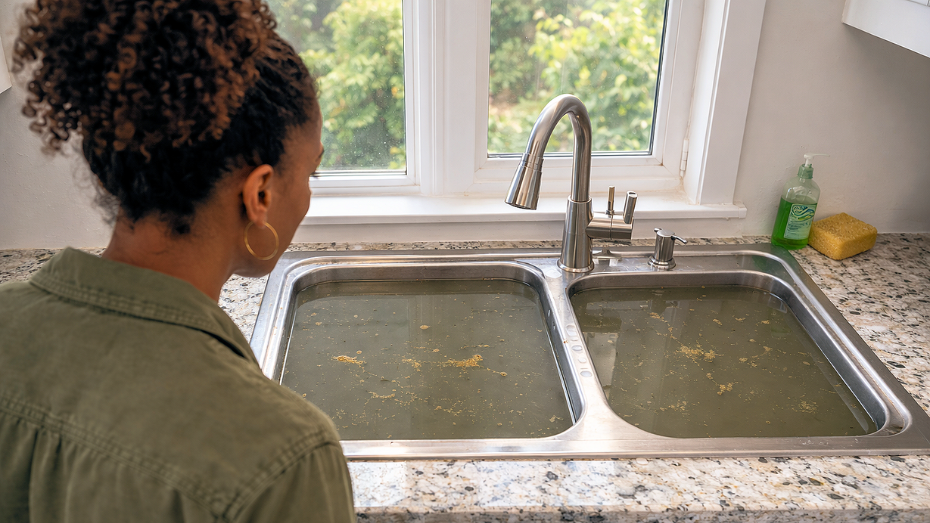
There is no requirement in community scheme legislation for insurance to attend to unblocking pipes. The mainstream community scheme insurers we work with exclude the unblocking of pipes or blocked…

(Updated 8 July 2024) For trustees and portfolio managers to have an objective understanding of an annual premium increase, or even an interim increase, it is vital that the content…

Sectional title ownership is unique in several ways. By dividing a building into sections with imaginary lines, akin to the borders of a country, it becomes essential to insure the…

During 2020, Addsure hosted a number of informative webinars on the effects of Covid-19 on community scheme insurance. Aside from doing research on this topic to share with the audience,…
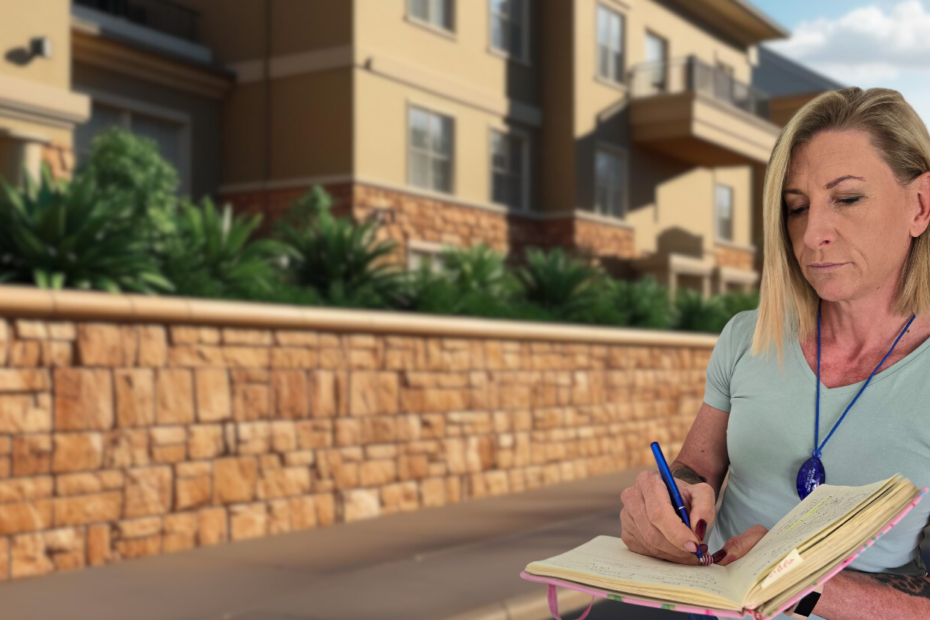
What is a retaining wall? A retaining wall is any wall that holds back soil or other material on one side of the wall, i.e., where the ground or surface…

It is around this time of year that we start reminding trustees and owners to take care around common property. We published a blog last year on festive season risk,…

Costs to cover security guards are viewed as a consequential loss; therefore, it is not automatically included in all policies. What is included? Most insurance policies include additional benefit extensions,…

As we wind down for the holiday season we should pause for a moment and consider the risks associated with holidays and the environment we live in. Factors such as…

The inclusion of insurance for water heating systems, such as geysers, is common and expected under every available building insurance policy. Over the last few years, new types of heating…